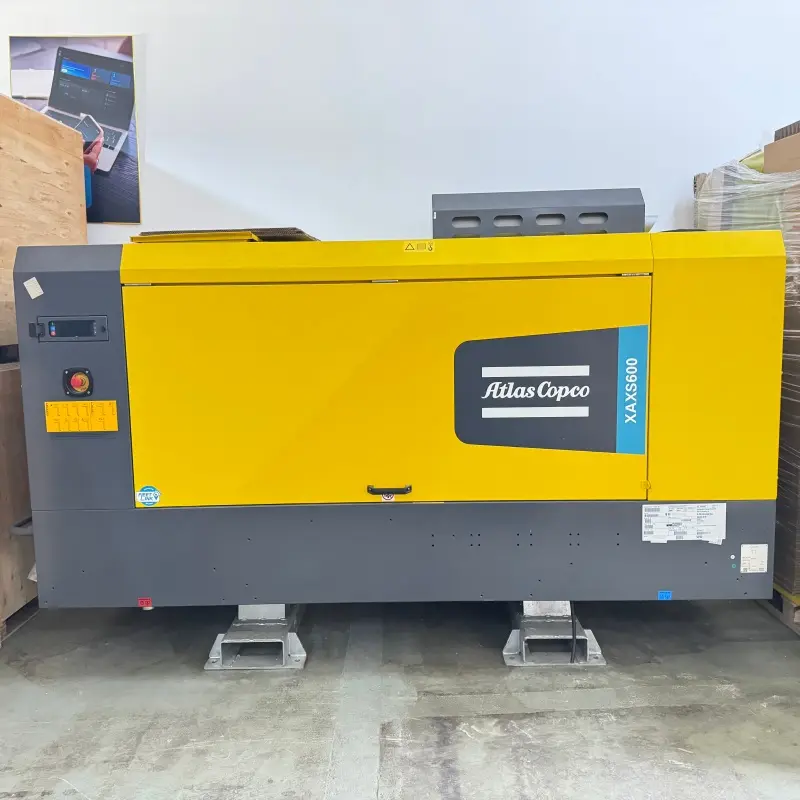
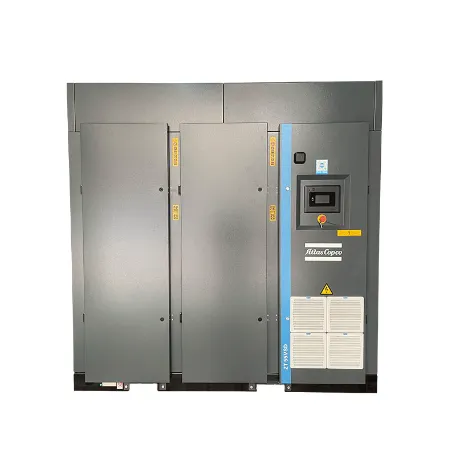
Energy is the largest cost of owning a compressor, so the question is fair: do Atlas Copco 100 HP Oil Injected Air Compressors actually save energy? At Taike we supply these units directly and we have learned to answer carefully — because the honest answer depends on the load pattern and on which GA tier you choose. This article walks through the figures we look at, from free air delivery to the control logic, and explains where we would and would not promise a saving.
The Short Answer: Yes, If the Load Pattern Fits
For a plant with a fairly stable demand for compressed air, the GA+ configuration in this series is specified for the lowest energy consumption. That claim is not marketing copy — it is tied to how the machine modulates. The Elektronikon® controller governs the main drive motor and keeps system pressure inside a predefined, narrow band, so the compressor does not spend its day cycling between wide pressure extremes.
If your demand swings sharply between shifts, a variable-speed unit deserves a look instead. We will say that plainly: a fixed-speed Atlas Copco 100 HP Oil Injected Air Compressors unit on a wildly variable load will not save what a VSD+ would. Matching the machine to the duty is the first step, before anyone talks about discounts.
Where a 100 HP Unit Spends Its Energy
Most of the electricity goes into the drive motor, and the rest disappears through compression losses, pressure drop, cooling and auxiliary equipment. The practical consequence is that small improvements in delivery and control have a large effect over a working year. A compressor running 6,000 hours does not forgive a few percent of waste.
That is why we look at the whole package rather than the motor nameplate. The integrated dryer, the intake valve, the separator and even the cooling choice all sit in the same energy chain. Our stationary compressor range is organised around exactly these differences.
FAD and Pressure: The Numbers Behind the Claim
Here is the published data for the GA family. One clarification first: in the specification table the 100 hp rating belongs to the GA 75+ at 75 kW. The product page also covers neighbouring models such as the GA55 at 55 kW / 75 hp, which is why you will see both mentioned in the same listing.
| Model | Motor | FAD at 7.5 bar | FAD at 10 bar | Noise | Net weight |
|---|---|---|---|---|---|
| GA 30+ | 30 kW / 40 hp | 6.00 m³/min | 4.90 m³/min | 65 dB(A) | 817 kg |
| GA 37+ | 37 kW / 50 hp | 7.20 m³/min | 6.00 m³/min | 65 dB(A) | 902 kg |
| GA 45+ | 45 kW / 60 hp | 8.80 m³/min | 7.50 m³/min | 66 dB(A) | 970 kg |
| GA 55+ | 55 kW / 75 hp | 11.00 m³/min | 8.50 m³/min | 66 dB(A) | 1358 kg |
| GA 75+ | 75 kW / 100 hp | 14.90 m³/min | 12.30 m³/min | 68 dB(A) | 1413 kg |
The 100 hp class therefore delivers roughly 14.9 m³/min at 7.5 bar, dropping to 12.3 m³/min at 10 bar. That drop is normal and worth planning for: if your process needs 13 m³/min at 10 bar, this is not the right machine regardless of how good its efficiency is. See our catalogue for the full range.
What the Elektronikon Controller Changes
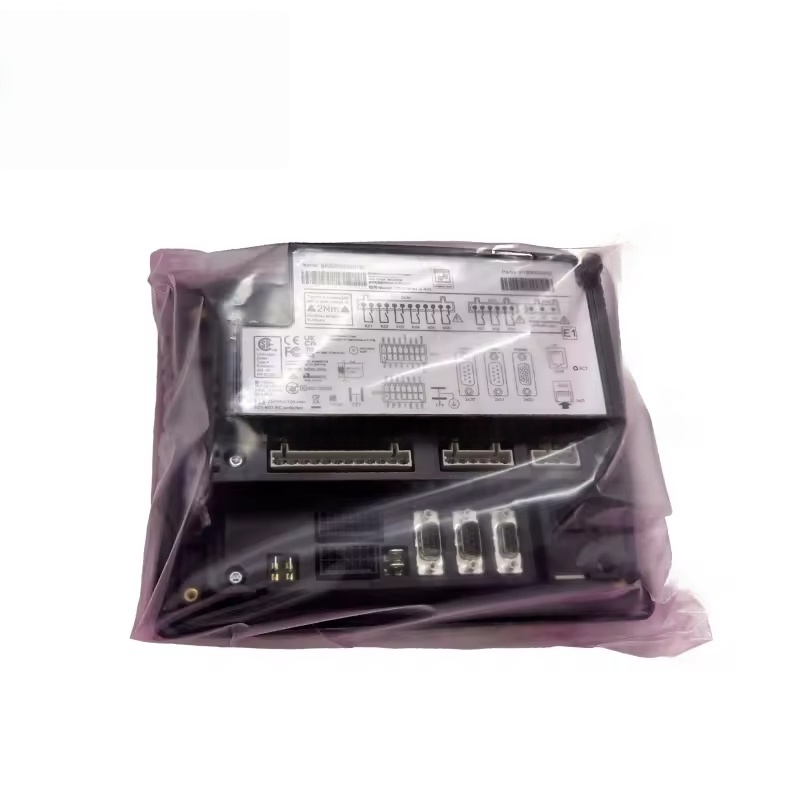
The next-generation Elektronikon® operating system is where a good deal of the saving happens. It controls the main drive motor and regulates pressure within a predefined, narrow band. On GA 37, GA 45, GA 55 and GA 75 the Swipe version adds intuitive navigation, a fourth LED indicator for service, and visualisation through a web browser over a simple Ethernet connection.
Why does that matter to a buyer? Because a controller that is easy to read gets used. Pressure bands get set correctly, service warnings get acted on, and the machine does not quietly drift into an inefficient state. GA55 key features also include automatic restart after voltage failure, a delayed second stop function, dual pressure set points and built-in SMARTLINK online monitoring — all of which help a plant keep the unit running where it was specified.
GA, GA+ or VSD+: Picking the Efficiency Tier
Atlas Copco offers three premium compressor types in this family. We help customers choose between them based on how their air demand behaves, not on which one is cheapest today.
| Tier | Where we place it | Efficiency proposition | Control |
|---|---|---|---|
| GA | General production, lowest initial investment | High performance free air delivery | Elektronikon® Touch or Swipe |
| GA+ | Stable air demand | Best-in-class FAD and lowest energy consumption at steady demand | Elektronikon® Touch |
| GA VSD+ | Variable demand across shifts | Speed follows demand instead of unloading | Elektronikon® with variable speed drive |
We have written about neighbouring configurations too, including the 75 HP oil injected class and the 120 HP step up, if you want to see where the 100 hp unit sits in the wider range. The Atlas Copco air compressors overview is another useful starting point.
The Dryer and Other Quiet Savings
Both GA and GA+ configurations can include an integrated refrigerant dryer, and the GA+ line is also noted for low noise emission suitable for workplace installation. An integrated dryer does draw power, but it removes the space, pipework and separate controls of an external unit. In a plant where floor area is tight, that can be worth more than the small electrical difference.
Dual pressure set points and the delayed second stop function are less glamorous but just as practical in daily operation. They let a site run two pressure levels where the process allows it, and avoid unnecessary restarts. We would rather explain these features than quote a single efficiency number, because their value depends entirely on your plant.
Why Genuine Parts Protect Efficiency
This is the part of the conversation that buyers sometimes skip. A compressor can leave the factory efficient and lose that advantage over a year of poor filtration. The build we supply uses the following components, with more than 80 percent of accessories from imported branded suppliers.
| Component | Source in this build | Why it matters to efficiency |
|---|---|---|
| Air end / main frame | Sweden Atlas | Core compression efficiency |
| Bearings | SKF Sweden, rated 60,000 hours | Low friction across long duty cycles |
| Motor | ABB / WOLONG | Drive losses and reliability |
| Oil filter and oil-gas separator | MANN Germany, original | Clean oil and low pressure drop |
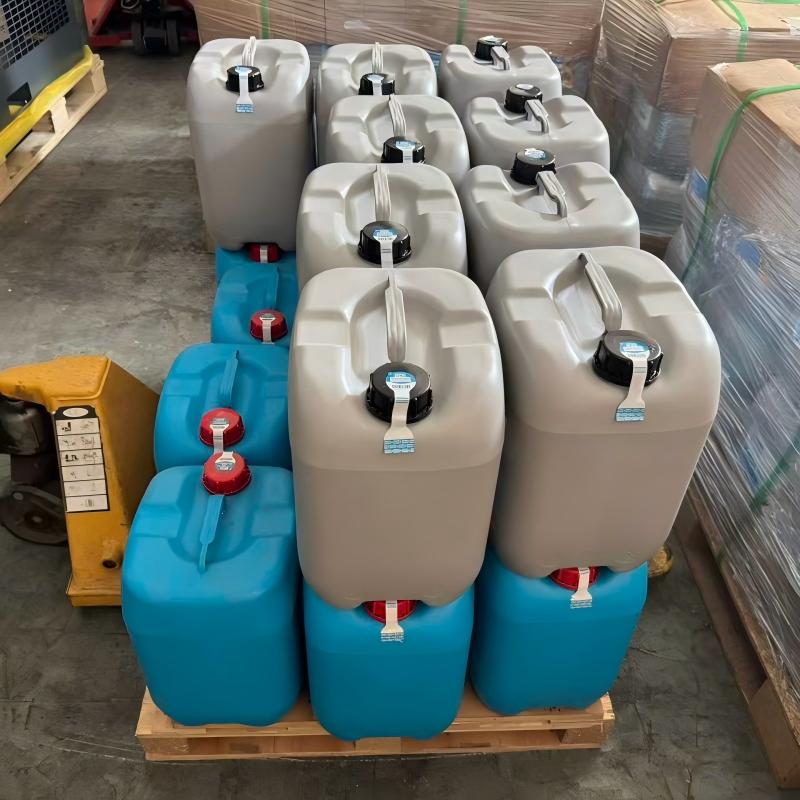
| Lubricating oil | Atlas Sweden, original | Correct viscosity protects the air end |
| PLC | Schneider Electric France | Stable control logic |
| Intake and pressure valves | Atlas Sweden / Hoerbiger Austria | Correct modulation, less unloading |
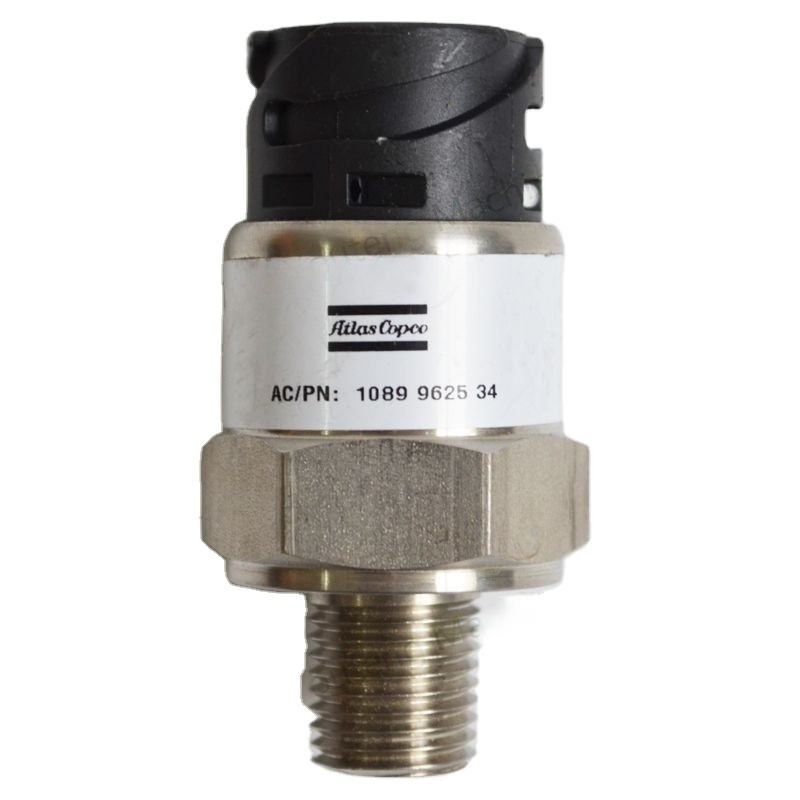
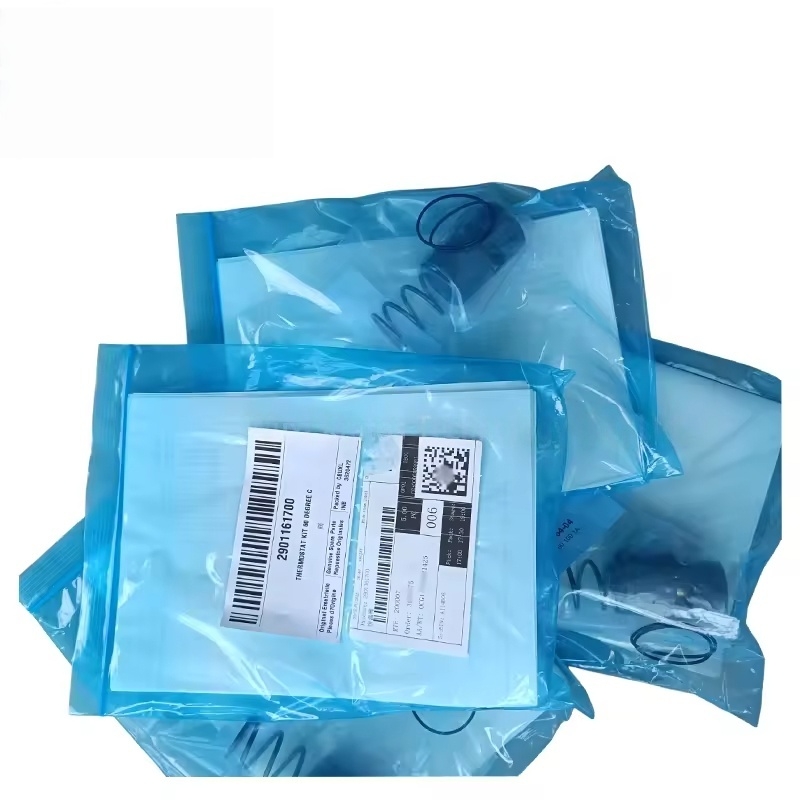
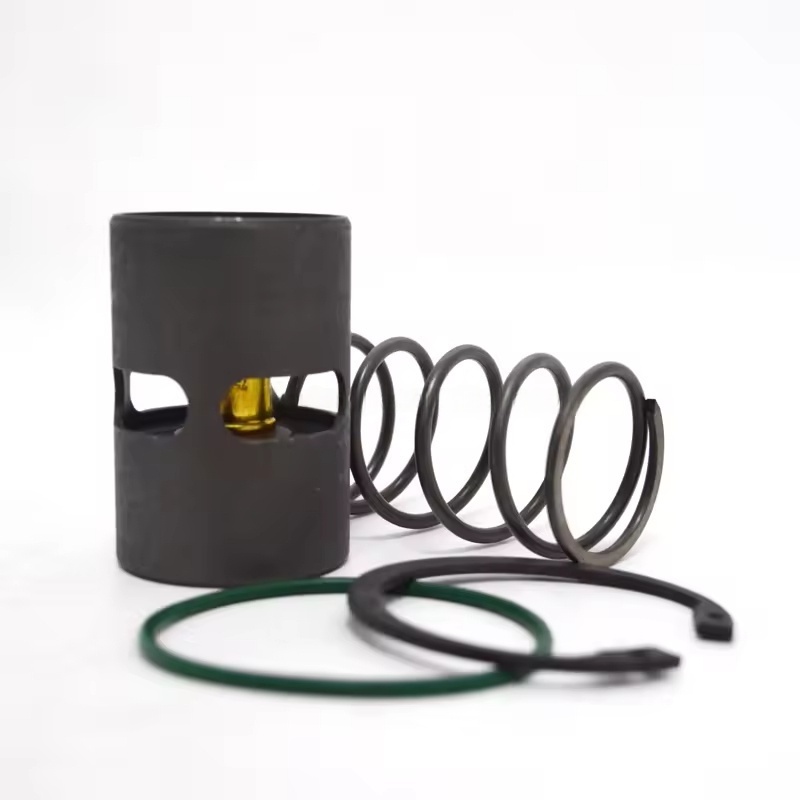
You can see the related filters, lubrication oil and maintenance kits we supply, along with our genuine parts range. For a thermostat or service item specifically, our thermostatic valve and service pages give more detail.
Air Cooling, Water Cooling and Site Conditions
The specification table offers both air-cooled and water-cooled versions, with discharge temperature limits of ambient plus 15°C for air cooling and below 40°C for water cooling. On paper this looks like a minor option; in a hot plant it decides whether the machine holds its efficiency or spends the summer derated.
Our rule is simple: if the compressor room is poorly ventilated, do not assume air cooling is the cheaper choice over a full year. Power supply is another detail worth settling early — the standard is 380V / 3Ph / 50Hz or 60Hz on request, and transmission and cooling codes are specified at order. We would rather ask these questions now than after delivery.
Where We Would Not Promise Savings
We are a supplier, but we are not going to tell every customer that a 100 hp unit will cut their bill. If your plant runs at a fraction of this capacity, a smaller machine is the more efficient answer. If demand swings hard, a VSD+ will outperform a fixed-speed GA+. And if the existing system has leaks downstream, no compressor upgrade will fix the waste.
What we can promise is a genuine unit at a competitive price and honest sizing advice. Taike orders directly from Atlas Copco, holds a 3,000 square metre warehouse with roughly 80 percent of commonly used products in stock, and supports customers worldwide with technical input and fast response. That is the basis on which we make a recommendation — not a generic efficiency claim.
Frequently Asked Questions
1. Do Atlas Copco 100 HP oil injected air compressors actually save energy?
They can, when the machine is matched to the load. In the GA series the GA+ tier is specified for the lowest energy consumption under a stable air demand, and the Elektronikon controller holds system pressure inside a narrow band, which cuts the waste that comes from wide pressure swings. A fixed-speed unit on a highly variable load will not deliver the same saving.
2. Which GA model is the 100 HP version?
In the published specification table the 100 hp rating belongs to the GA 75+ at 75 kW. The page also covers neighbouring GA models such as the GA55 at 55 kW / 75 hp. We always ask which exact model number is on the nameplate before quoting, because the efficiency figures differ between tiers.
3. How much free air delivery does a 100 HP GA unit produce?
The GA 75+ is listed at 14.90 m³/min at 7.5 bar and 12.30 m³/min at 10 bar, with a 75 kW motor and 68 dB(A) noise level. Compare FAD at the pressure you actually run at — a number quoted at a different pressure is not comparable.
4. Does an integrated refrigerant dryer add to energy use?
It draws power, yes. But it removes the space, pipework and separate controls of an external dryer. In the GA range the dryer is integrated on both GA and GA+ configurations, so the comparison is usually against a separate dryer installation rather than against no drying at all.
5. Why do genuine parts matter for efficiency?
The build uses MANN oil filters and oil-gas separators, Atlas lubricating oil and SKF bearings rated to 60,000 hours. A clogged separator or the wrong oil raises pressure drop and the compressor works harder for the same delivery. More than 80 percent of the accessories in this build are imported branded parts.
6. Can Taike supply genuine Atlas Copco units at a better price?
Yes. We order directly from Atlas Copco, which lets us offer genuine products at a better price, and we hold a 3,000 square metre warehouse with roughly 80 percent of commonly used items in stock. Our technical team supports customers worldwide and we reply quickly on both price and delivery questions.