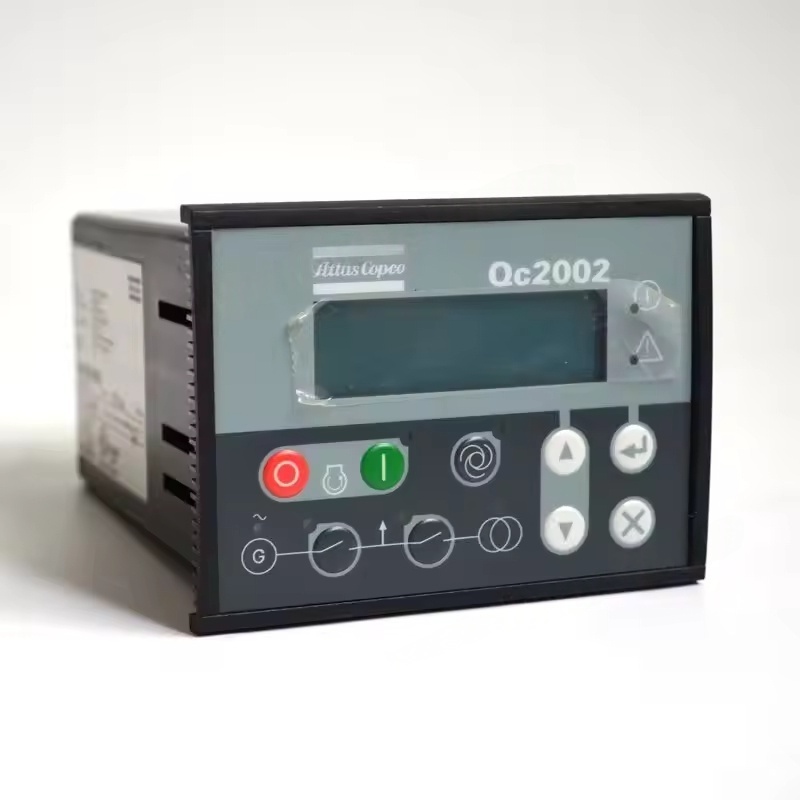
The Atlas Copco MK5 control panel, through an integrated design, simplifies the operation of the air compressor and enhances the reliability and energy efficiency of the system. It is widely used in industrial production scenarios where the stability of compressed air supply is highly demanded. The specific functions may vary slightly depending on the model of the air compressor. It is recommended to operate in accordance with the equipment manual.
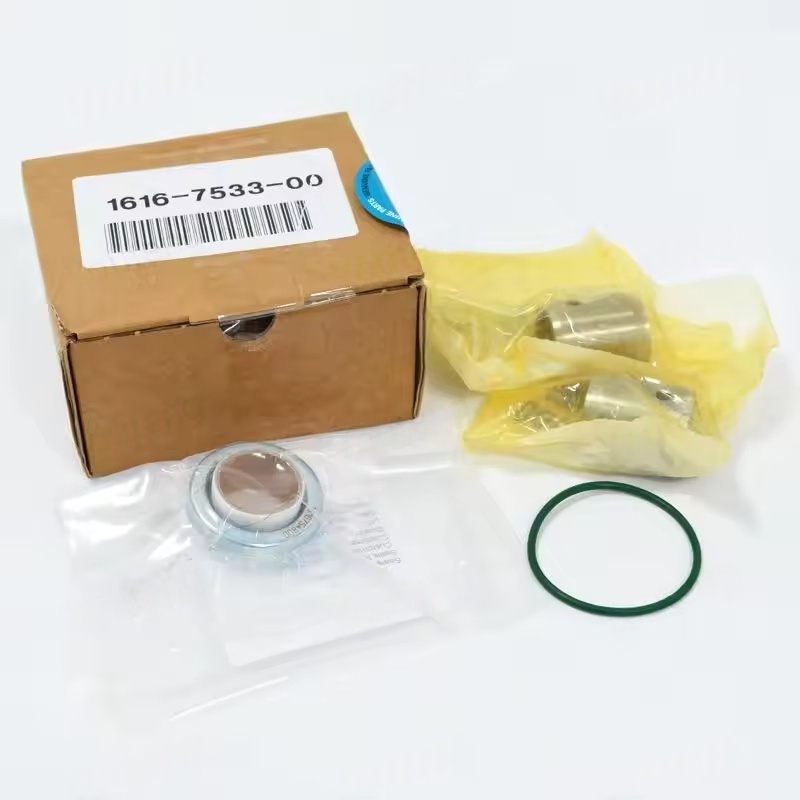
Maintenance precautions for Atlas Copco non-return valve assemblies
Regularly inspect the wear condition of the seals. Replace them immediately if there is leakage.
Clean the valve core and valve seat to prevent impurities from jamming and causing the valve core to fail to close properly.
For spring-type non-return valves, check the elasticity of the spring to see if it has weakened. Replace it if necessary to ensure the sealing performance.
When selecting non-return valve assemblies, match them according to the exhaust pressure, flow rate, medium characteristics, and pipe diameter of the air compressor to ensure that their pressure resistance level, flow capacity, and system requirements are consistent.
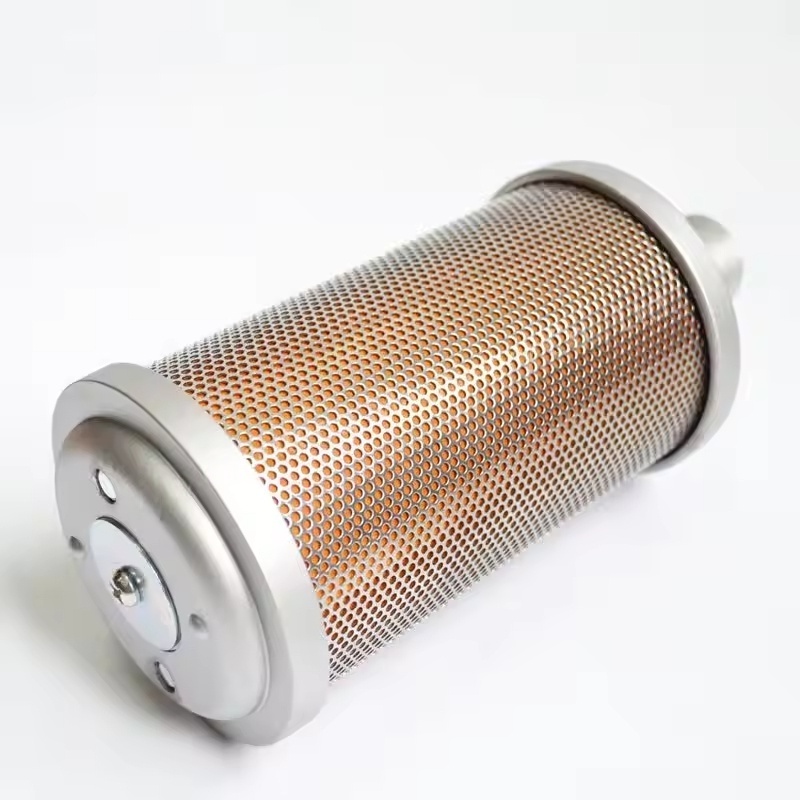
When choosing Atlas Copco air compressor mufflers, it is necessary to make a comprehensive match based on the signals of the air compressor, power, exhaust pressure, noise frequency characteristics, and the usage environment (such as whether there is oil contamination, high temperature, etc.), in order to achieve the desired noise reduction effect and ensure the normal operation of the compressed air system.
ATLAS COPCO QC2002 alarm function: It has an alarm display function. When the generator encounters faults such as overvoltage, undervoltage, overfrequency, or underfrequency, the controller will display the corresponding alarm information and handle it according to the preset fault categories.
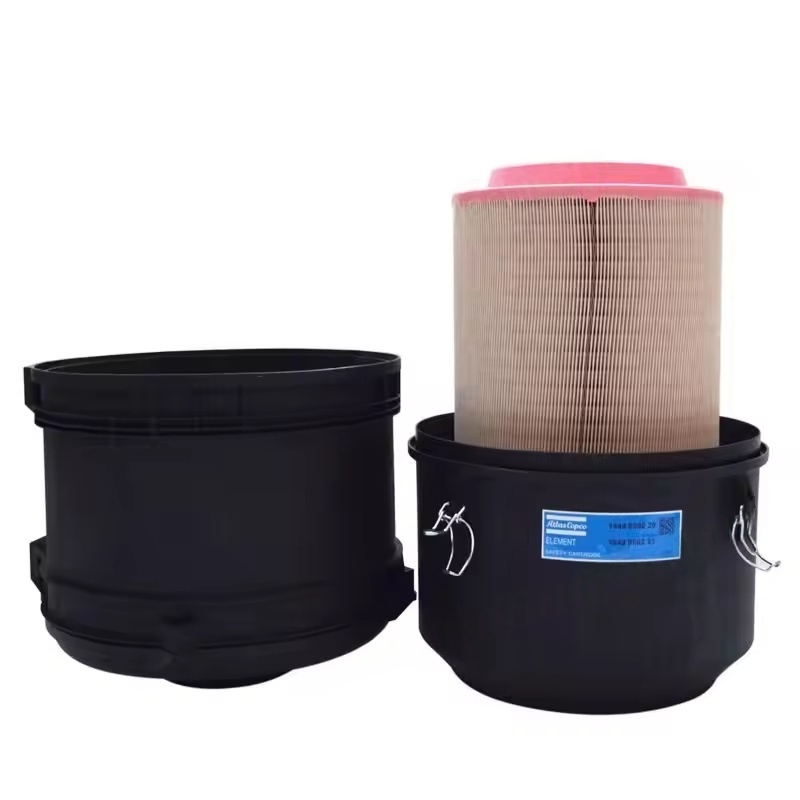
Common Problems and Solutions for Atlas Copco Air Compressor Air Filter Enclosures
Increased intake resistance: This may be due to foreign objects blocking the interior or an unreasonable design of the airflow channel. Clean the debris or replace the compatible enclosure.
Sealing failure: This is often caused by aging seals or deformed enclosures. Replace the sealing ring or repair the enclosure (metal enclosures can be corrected, while plastic enclosures are recommended to be replaced directly).
Enclosure damage: Minor damage to the metal enclosure can be repaired by welding. Severe deformation or cracking of the plastic enclosure requires a complete replacement to avoid affecting the filtration effect.
Selecting an appropriate air filter enclosure and using high-quality filter elements can effectively ensure the long-term stable operation of the air intake system of the air compressor, reducing the wear of the main unit and energy loss.
Atlas Copco Installation and Maintenance Tips
Installation Requirements: The metal sealing surfaces must be thoroughly cleaned (free of oil stains and scratches), and the fastening bolts must be tightened uniformly to the specified torque (usually 30-50 N·m) to ensure that the sealing elements are fully in contact.
Cleaning Cycle: Depending on the operating environment, the metal filter element should be back-flushed for cleaning every 2000-4000 hours (using dry compressed air to blow from the inner side of the filter element outward). An ultrasonic deep cleaning should be performed after a cumulative operation of 10000 hours.
Replacement Criteria: When there is local damage to the filter element (detected through an endoscope) or permanent deformation of the sealing element surface (resulting in an excessive leakage rate), the corresponding components should be replaced promptly.
We use cookies to offer you a better browsing experience, analyze site traffic and personalize content. By using this site, you agree to our use of cookies.Privacy Policy