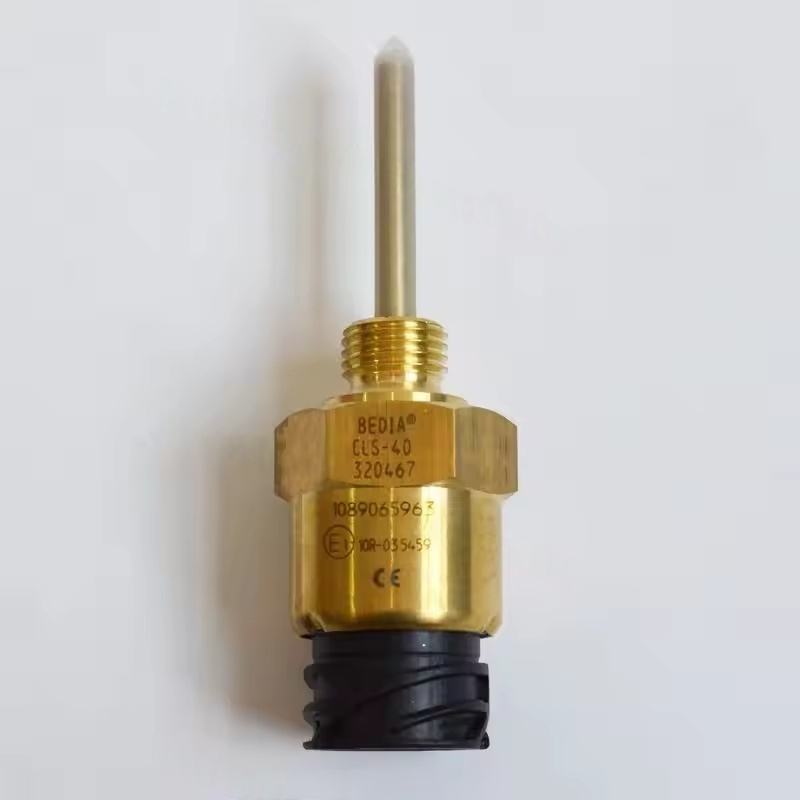
Atlas Copco Air Compressor "Water Level Sensor" Quick Diagnosis and Common Issues
False Alarm / Failure to Report: Check if the installation is loose, if the probe is clogged / blocked or covered; Calibrate or replace the sensor.
Continuous Alarm: Check if the drain valve is blocked or if the control logic is abnormal; Clean the valve group and piping.
Abnormal after Replacement: Verify the part number, wiring and range / upper and lower limit settings; Reset / re-calibrate if necessary.
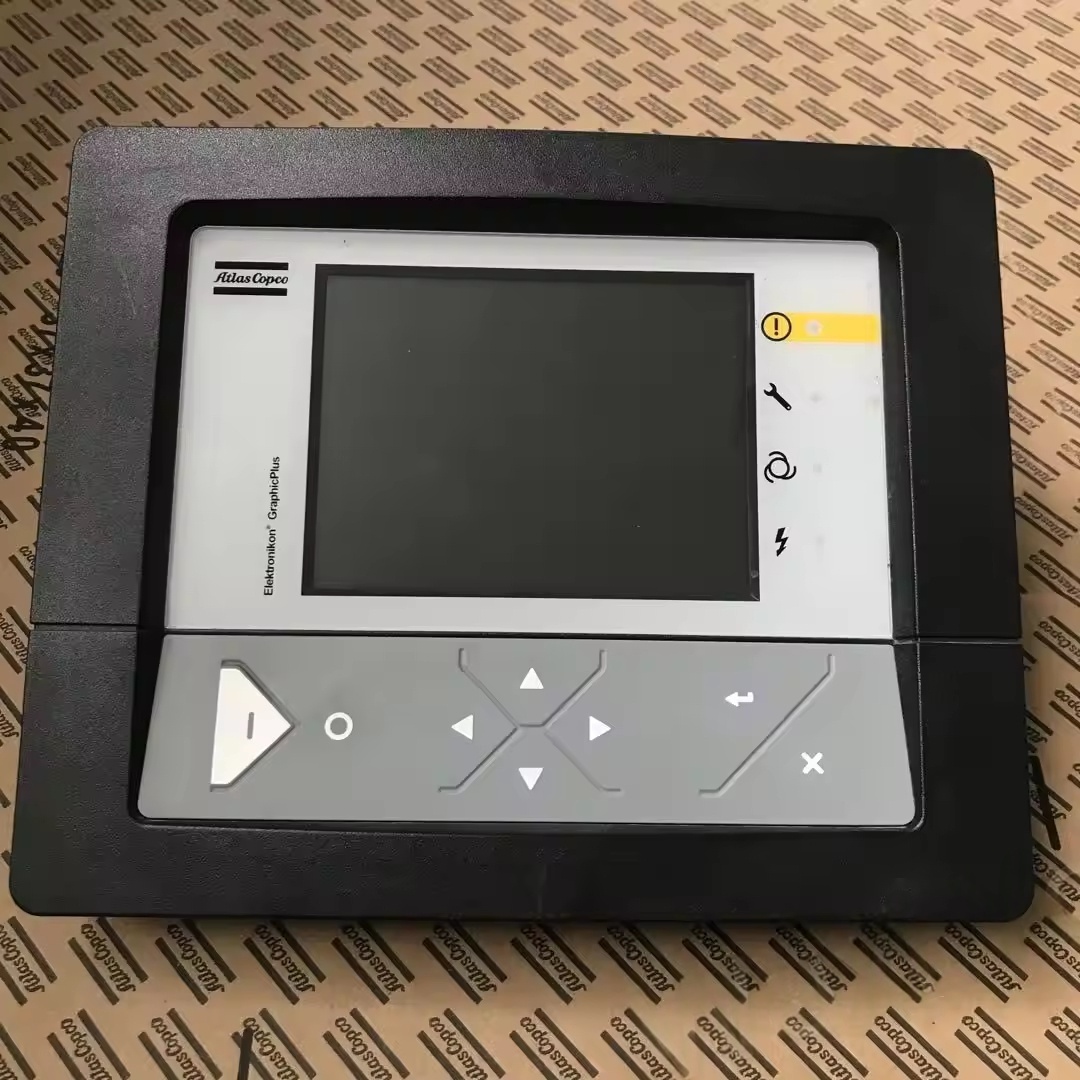
Maintenance and Fault Handling of the Oil Temperature Electronic Elektronikon Control Module of Atlas Copco Air Compressors
If there are abnormal oil temperature readings, the heating/cooling system does not respond, or the oil temperature protection is triggered frequently, it may be related to this control module. Maintenance suggestions:
First, check whether the oil temperature sensor and connection lines are normal. Eliminate front-end signal faults;
If the module itself is faulty, it is recommended to replace the original factory parts to ensure control performance. After replacement, calibration of parameters through special tools is required to make it match the model;
Regularly check the module status through the self-check function of the Elektronikon system to promptly detect potential problems.
Common Issues and Maintenance of Atlas Copco Air Compressor Pressure Sensors
Common issues with pressure sensors include measurement drift (inaccurate data), signal interruption (line or component failure), interface leakage, etc. Maintenance suggestions:
Regularly check the sealing of the sensor installation to avoid pressure leakage or measurement errors due to looseness;
Keep the sensor interface clean to prevent oil contamination and impurities from blocking and affecting the measurement;
When there is abnormal pressure display, frequent start-stop of the unit, or incorrect pressure protection operation, it is necessary to check if the sensor is faulty. It is recommended to replace the original sensor to ensure performance matching. When replacing, pay attention to keeping the calibration parameters consistent with the original model.
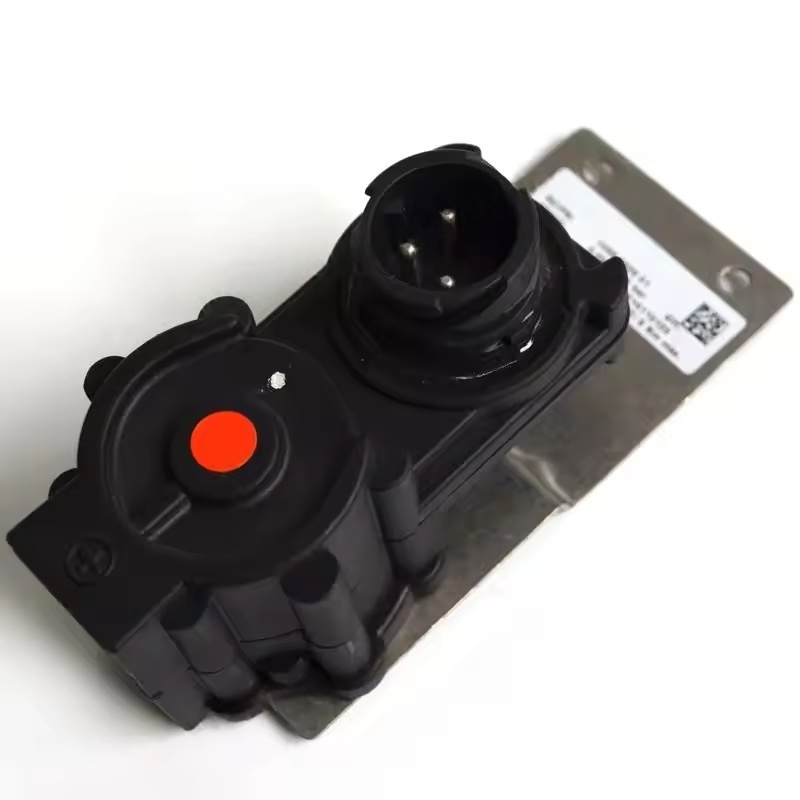
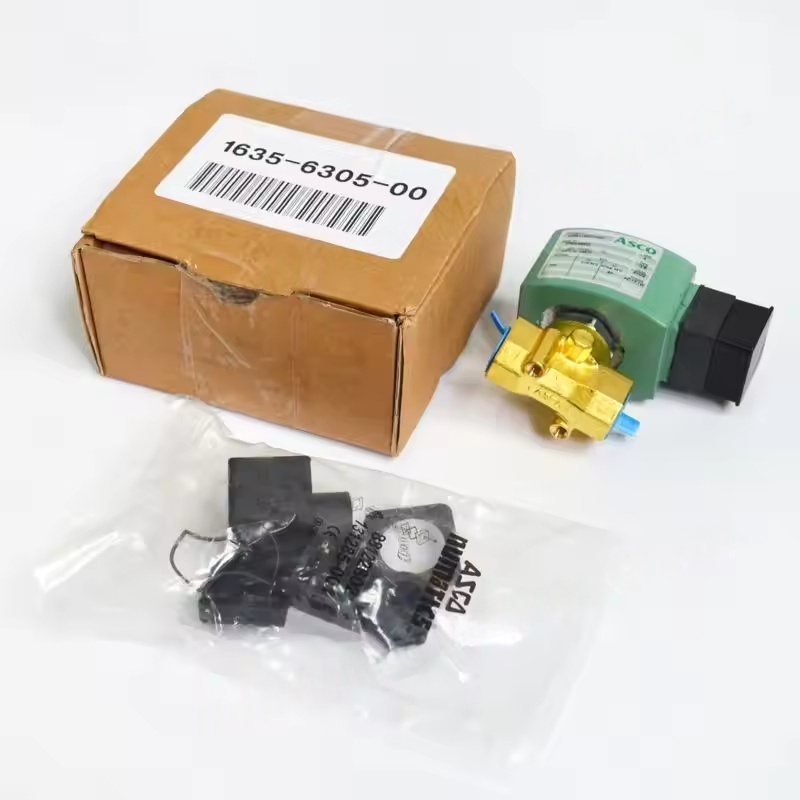
Common Faults and Maintenance of Electromagnetic Valves in Atlas Copco Air Compressors
Common faults of electromagnetic valves include coil burnout (resulting in inability to operate), valve core sticking (caused by impurities or wear), and aging of sealing components (leading to medium leakage). During daily maintenance, the following points should be noted:
Regularly check if the connection terminals are loose to avoid poor contact;
Keep the valve body clean to prevent impurities from entering the valve core;
When there is abnormal operation, it is recommended to replace the original electromagnetic valve to ensure performance compatibility. When replacing, pay attention to the consistency of voltage specifications and interface dimensions.
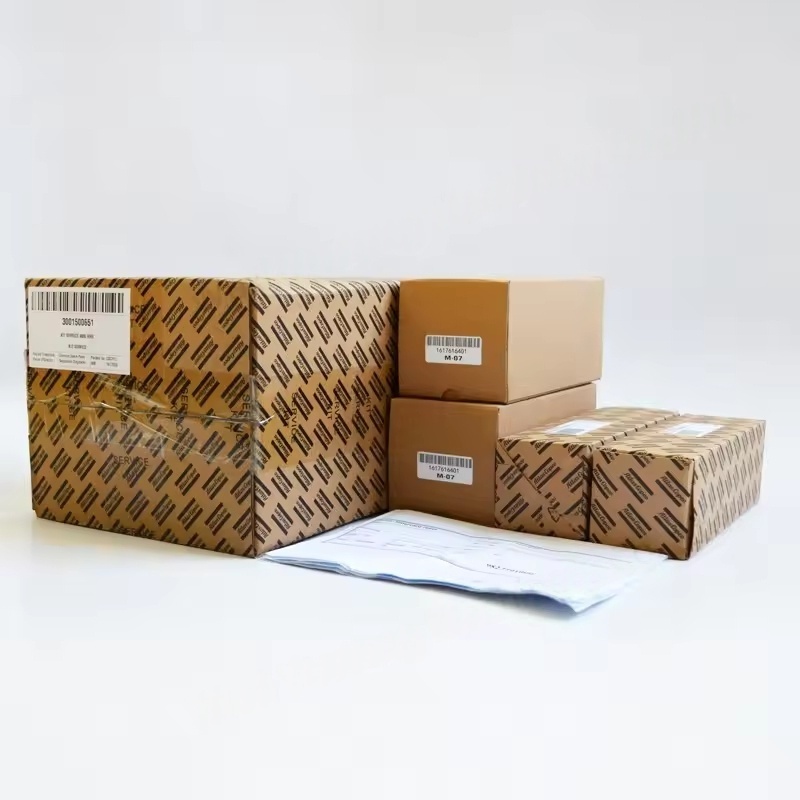
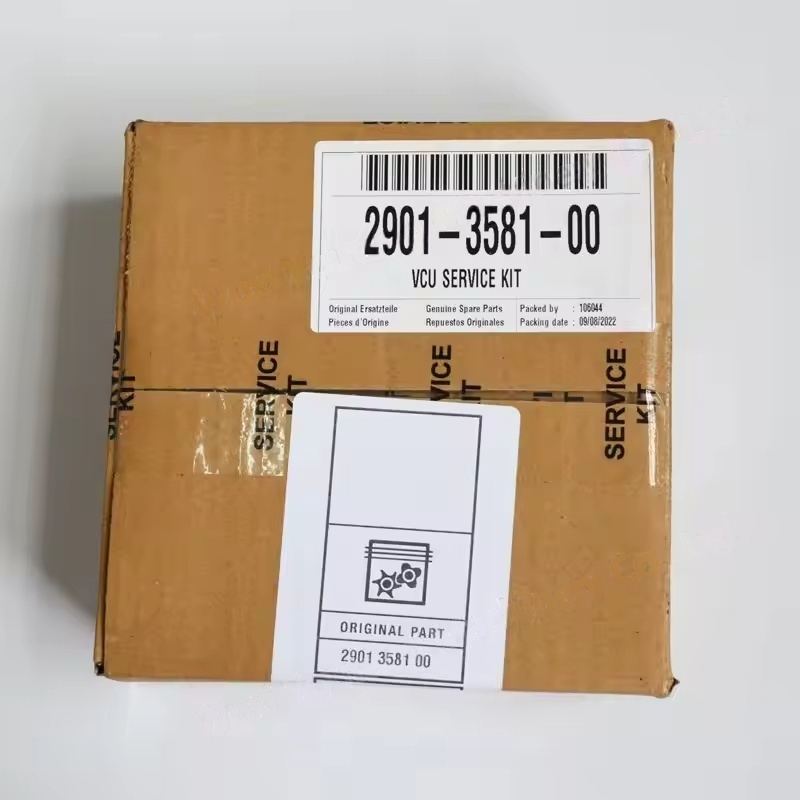
Maintenance and replacement instructions for the VCU (Valve Control Unit) service kit of Atlas Copco screw air compressors
When the compressor experiences frequent loading/unloading, pressure out-of-control, valve sticking, or VCU leakage, it may be related to the valve control unit failure. It is recommended to use this service kit for repair. During the replacement process, follow the specifications in the equipment manual, pay attention to the correctness of electrical connections and the installation direction of sealing components, and if necessary, calibrate the control parameters to ensure that the VCU function returns to normal after the repair.
Atlas Copco's metal oil pump component service kit replacement and maintenance recommendations for the ZR/ZL 55-90 series screw air compressors
When there are abnormal oil pump noises, fluctuating supply pressure, insufficient lubricating oil flow, or oil leakage in the oil circuit, it is recommended to check the oil pump status and use this service kit for maintenance. During the replacement process, strictly follow the procedures in the equipment manual to operate and ensure the correct installation of the components (such as the gear meshing position and the assembly direction of the seals), and conduct a pressure test after the repair to confirm that the performance of the oil pump has returned to normal.
We use cookies to offer you a better browsing experience, analyze site traffic and personalize content. By using this site, you agree to our use of cookies.Privacy Policy