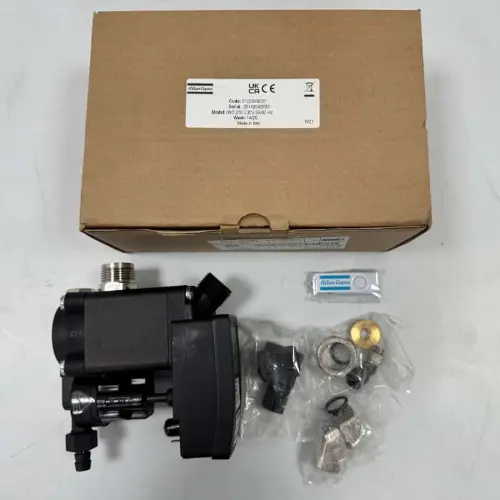
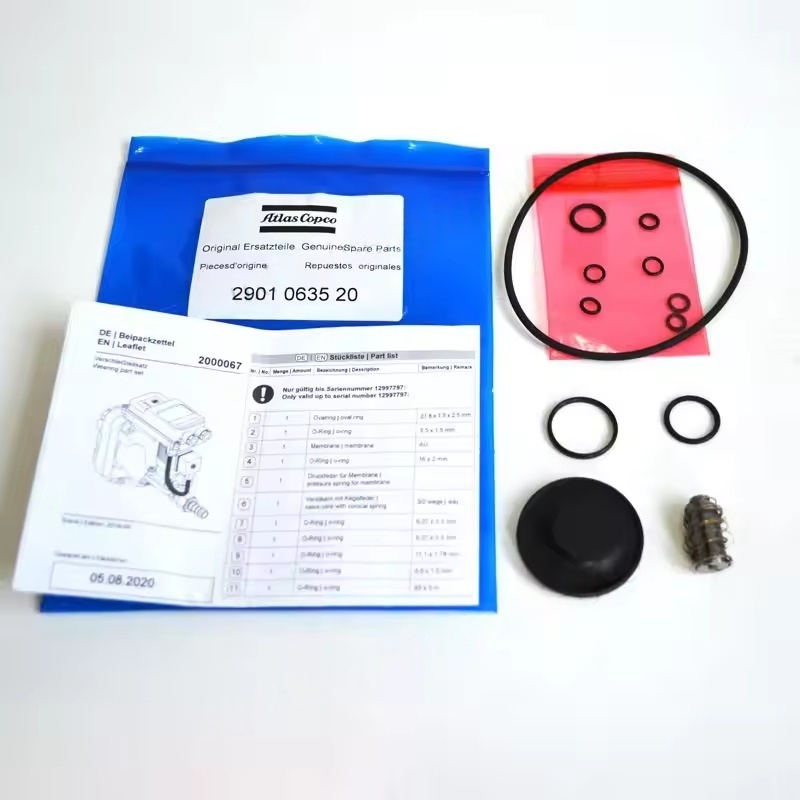
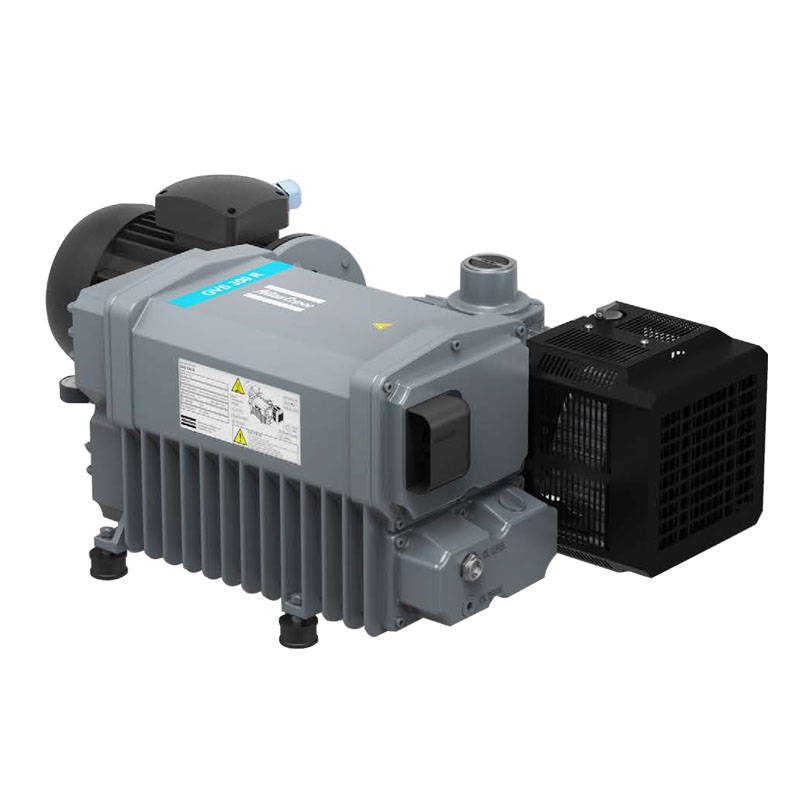
Atlas Copco 1608047300,The minimum pressure valve of the air compressor, also known as the pressure maintenance valve, is a crucial control component in the air compressor system. It is used to establish the system pressure.
When the air compressor starts, the minimum pressure valve closes, helping to quickly establish an initial pressure of 0.4-0.5 MPa, ensuring the circulation pressure required for the lubricating oil, and preventing equipment from wearing out due to poor lubrication. It protects the oil-gas separation system when the pressure exceeds 0.45 MPa. The valve opens, reducing the air flow rate passing through the oil-gas separator, ensuring the oil-gas separation effect and protecting the oil-gas separation filter from damage due to excessive pressure difference. It has a one-way valve function to prevent the compressed air in the storage tank from flowing back to the air compressor when it stops. It prevents pressure leakage in the no-load state and ensures the lubricating oil circulation. The buffering protection function buffers the impact of large pressure differences on the separator core at the moment of machine loading, controls the gas flow rate passing through the oil-gas separation filter, and prevents high-speed airflow from damaging the oil-gas separation effect.
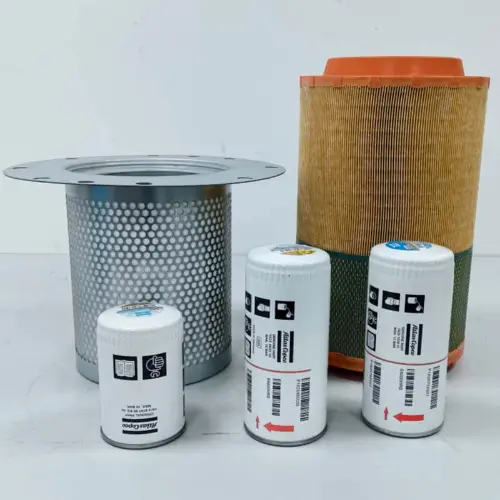
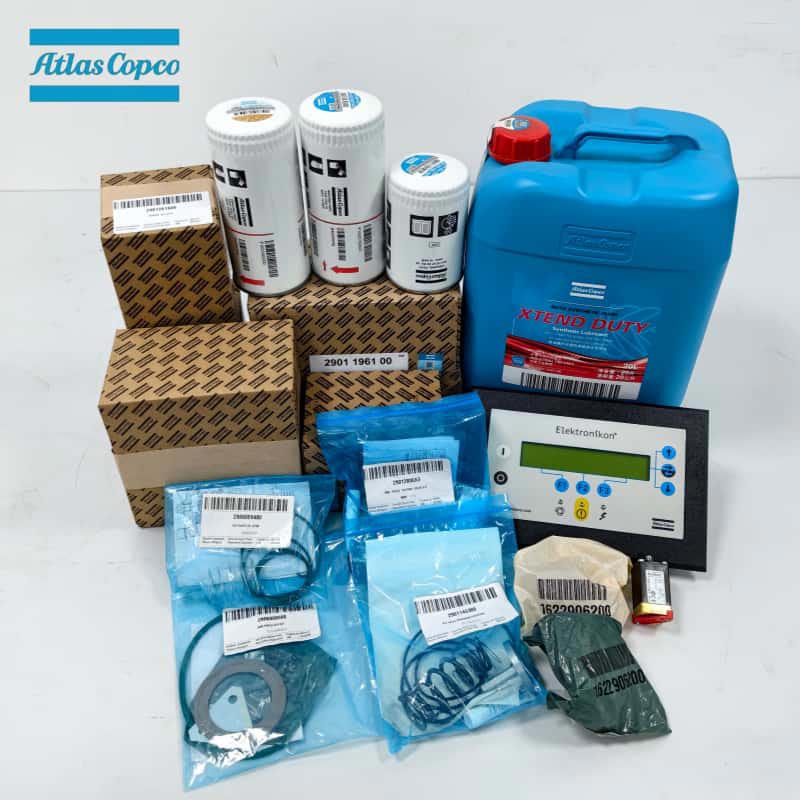
Atlas Copco 2906082800,The air compressor maintenance kit is an essential component for ensuring the safe operation of the air compressor system. It is mainly used for preventive maintenance and upkeep, ensuring the long-term stable operation of the equipment. The core protection function is to monitor the temperature of the storage tank, cooling water outlet temperature, and other parts through over-temperature protection. When the temperature reaches ≥ 120℃, it triggers an audible and visual alarm and automatically shuts down the machine. Overpressure protection: It detects the pressure of the storage tank in real time. When the pressure exceeds the limit, it automatically shuts down to protect the equipment safety. Oil shortage protection: It monitors the pressure of the lubrication system. When the oil pressure is abnormal, it forcibly shuts down to prevent mechanical dry friction damage. Water shortage protection: Specifically for water-cooled air compressors, it triggers a shutdown when the cooling water flow is abnormal. The filtration system functions as follows: The air filter: Filters impurities in the air entering the air compressor, such as dust, particles, and oil stains, to ensure the quality of the compressed air. The oil separator: Separates the lubricating oil from the compressed air to ensure the recycling of the lubricating oil and reduce the oil content in the compressed air. The oil filter: Filters the impurity particles in the lubricating oil to maintain the cleanliness of the lubricating oil.
Atlas Copco 2906000600,Reducing gas temperature in multi-stage compression process, after the gas passes through the previous stage of compression, its temperature will rise sharply. The intercooler is located between the compression stages and can cool the high-temperature gas, providing lower-temperature and denser gas for the next stage of compression. Enhancing system efficiency The cooling process makes the compression process closer to isothermal compression, thereby reducing power consumption and improving the operational efficiency and economy of the entire compressor system. Separating condensate When the gas temperature drops, the water vapor and oil-gas mixture contained therein will condense. Some lubricating oil and water will condense into droplets, which can then be separated out, making the output compressed air cleaner. By effectively controlling the gas temperature, risks such as lubricant failure, equipment component damage, and even explosion caused by excessively high temperatures can be prevented. At the same time, the pollution risks to downstream equipment and pipelines can also be reduced.
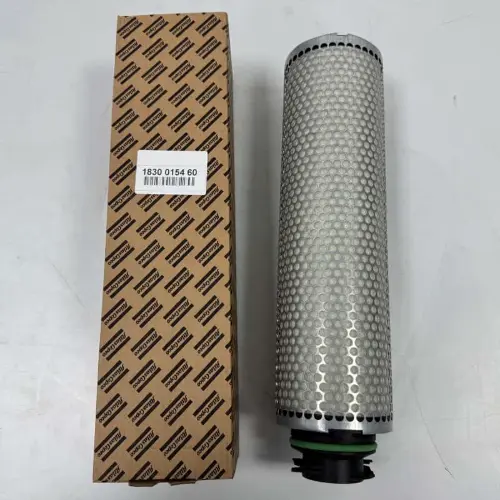
Atlas Copco 2901164300,Improving the quality of compressed air effectively removes oil mist, oil droplets and moisture from the compressed air, ensuring that the output is dry and clean compressed air. Reducing the oil content in the compressed air meets the air quality requirements of various gas-using equipment. Protecting the system equipment from oil mist entering the air compressor and subsequent equipment, reducing equipment wear and corrosion, prolonging the service life of the air compressor and pneumatic equipment, and lowering maintenance costs. Energy conservation and emission reduction: The separated oil mist can be recycled, reducing lubricating oil consumption, improving system operation efficiency, lowering energy consumption, and reducing pollutant emissions.
Atlas Copco 2901186500,Reducing gas temperature in multi-stage compression process, after the gas passes through the previous stage of compression, its temperature will rise sharply. The intercooler is located between the compression stages and can cool the high-temperature gas, providing lower-temperature and denser gas for the next stage of compression. Enhancing system efficiency The cooling process makes the compression process closer to isothermal compression, thereby reducing power consumption and improving the operational efficiency and economy of the entire compressor system. Separating condensate When the gas temperature drops, the water vapor and oil-gas mixture contained therein will condense. Some lubricating oil and water will condense into droplets, which can then be separated out, making the output compressed air cleaner. By effectively controlling the gas temperature, risks such as lubricant failure, equipment component damage, and even explosion caused by excessively high temperatures can be prevented. At the same time, the pollution risks to downstream equipment and pipelines can also be reduced.
Atlas Copco 2901100900,The fan switch is an important control component of the air compressor cooling system. It is used to automatically control the start and stop of the fan, so as to keep the air compressor running within the optimal working temperature range and prevent overheating from damaging the equipment.
We use cookies to offer you a better browsing experience, analyze site traffic and personalize content. By using this site, you agree to our use of cookies.Privacy Policy